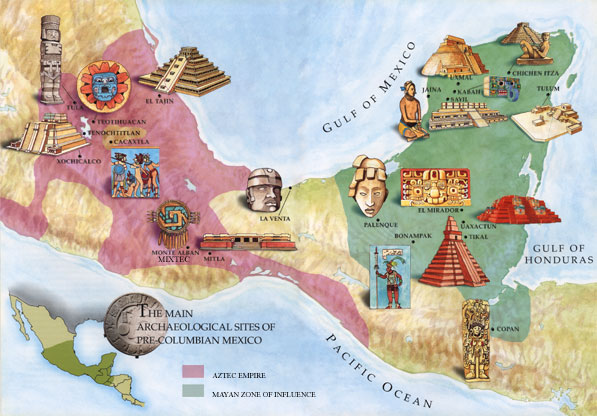
Mesoamerica Map

2:50 pm

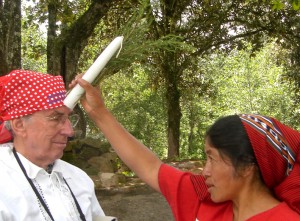
Quiche Maya Blessing Garth Norman-Guatemala, June 2010

Click to view Video: Izapa Temple Restoration: http://www.youtube.com/watch?v=CXloZvW-f94

Western Guatemala’s POPOL VUH – Sacred book of the Quiche Maya originally written in Spanish ca. 1550 (Recinos 1950:5, 77-80)   “Preamble. . .This is the beginning of the old traditions of this place called Quiche, by the tribes of the Quiche nation. . . we shall bring it to light because now the Popol Vuh, as it is called, cannot be seen any more in which was clearly seen the coming from the other side of the sea and the narration of our obscurity, and our life was clearly seen.   Great were the descriptions and the account of how all the sky and earth were formed, how it was formed and divided into four parts, how it was partitioned, and how the sky was divided, and the measuring-cord was brought, and it was stretched in the sky and over the earth, on the four angles, on the four corners, as was told by the Creator of and the Maker, the Mother and the Father of LIfe, he who gives breath and thought, she who gives birth to the children, he who watches over the happiness of the people, the happiness of the human race, the wise man, he who meditates on the goodness of all that exists in the sky, on the earth, in the lakes and in the sea.” 

Quiche Maya Blessing Izapa - June 2010

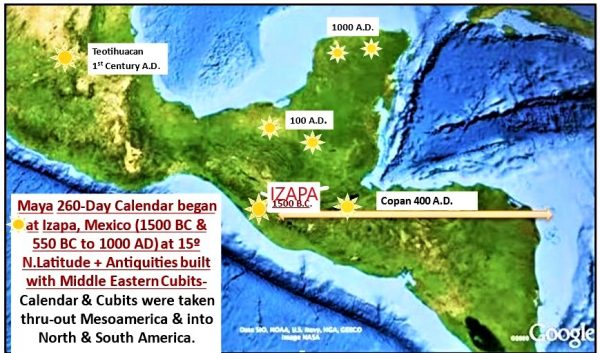
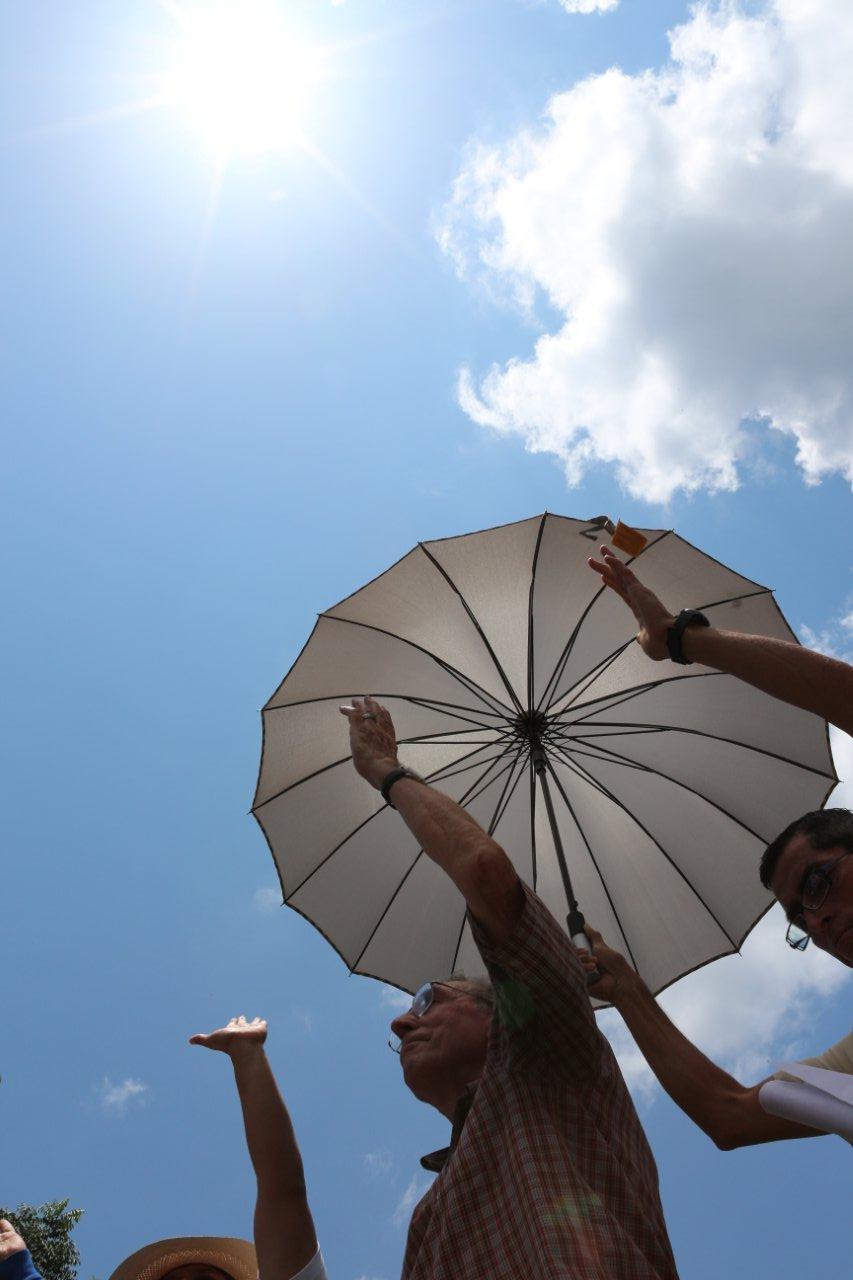
 June 20-27, 2010 The Maya Conservancy (Georgeanne Johnson-President) sponsored a tour with 13 Quiche and Cakchiquel Maya “Day Keepers” accompanied by a study group, including archaeologists, Mayanists, historians  and scientists to witness Quiche ritual during the summer solstice week.  The objective was to bring the Quiche Mayan Elders to Izapa for the first time in perhaps a thousand years, to witness this important site as a possible ancient temple center of their ancestors.  Here it is believed the Maya calendar originated during the Late Preclassic formative period (c.a.400 B.C.).   The archaeological and calendrical record compiled by Garth Norman (who participated in the Tour), the New World Archaeological Foundation and other scholars, primarily Vincent Malmstrom, has brought considerable attention to Iaapa to learn the origins of the ancient Maya calendar.

Mayan Elder Kukulkan burning offerings at Atitlan-June 2010

Rigoberto Itzep Blessing Izapa-Birthplace of the Maya Calendar

Izapa Temple Reconstruction

2:13 pm

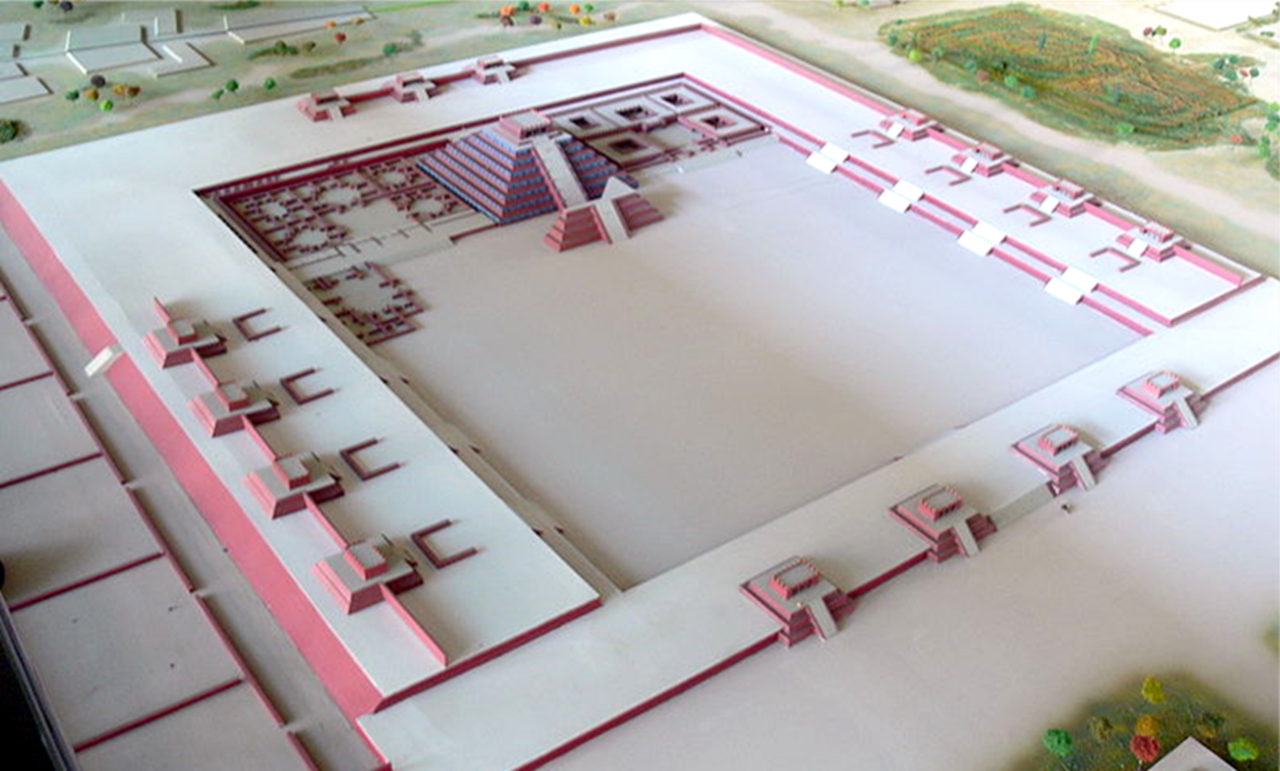
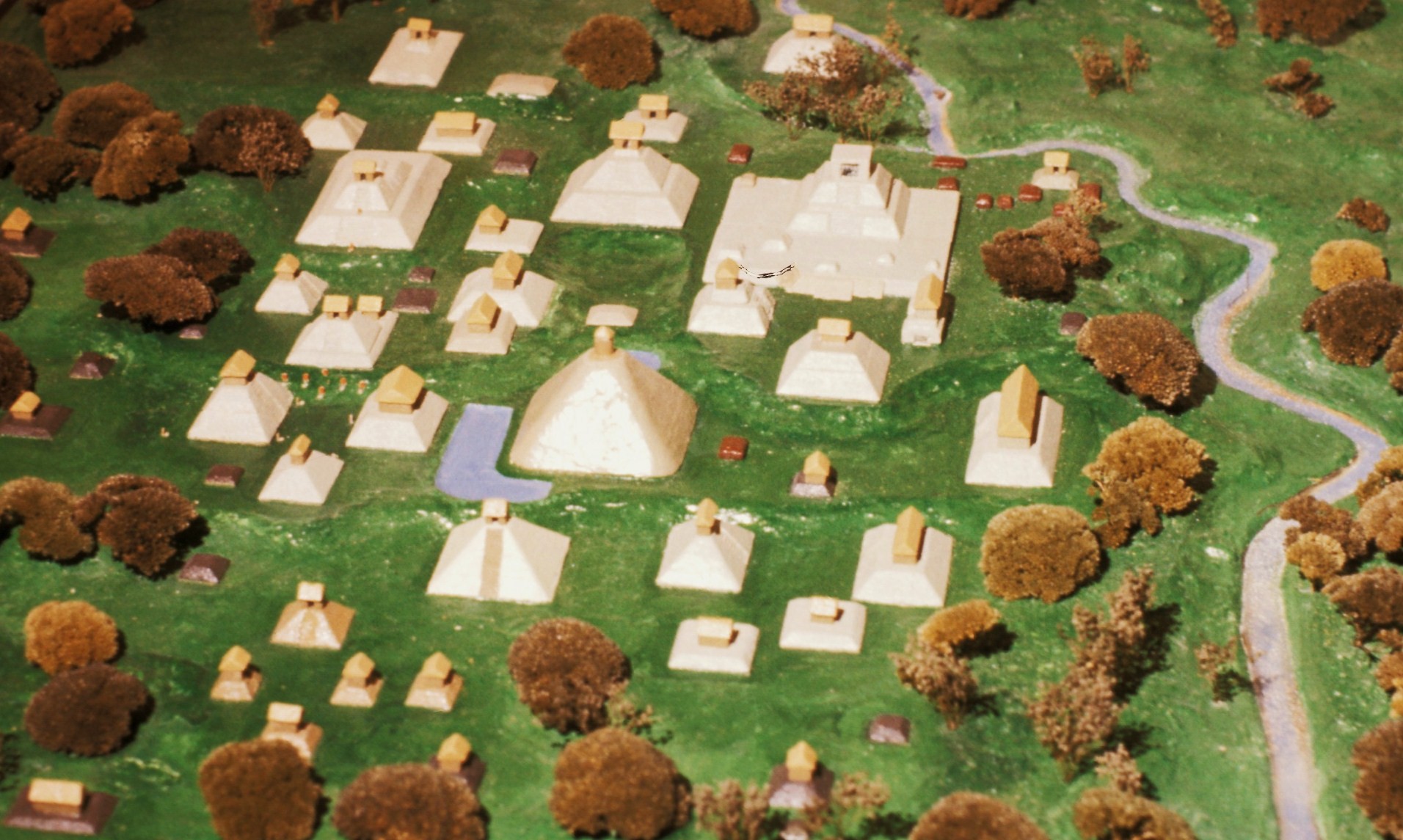
Model of Izapa Temple Center, So. Mexico built by V. Garth Norman author of Izapa Sculpture Text/Album (NWAF 1976) & 1980 Izapa Archaeoastronomy                                      

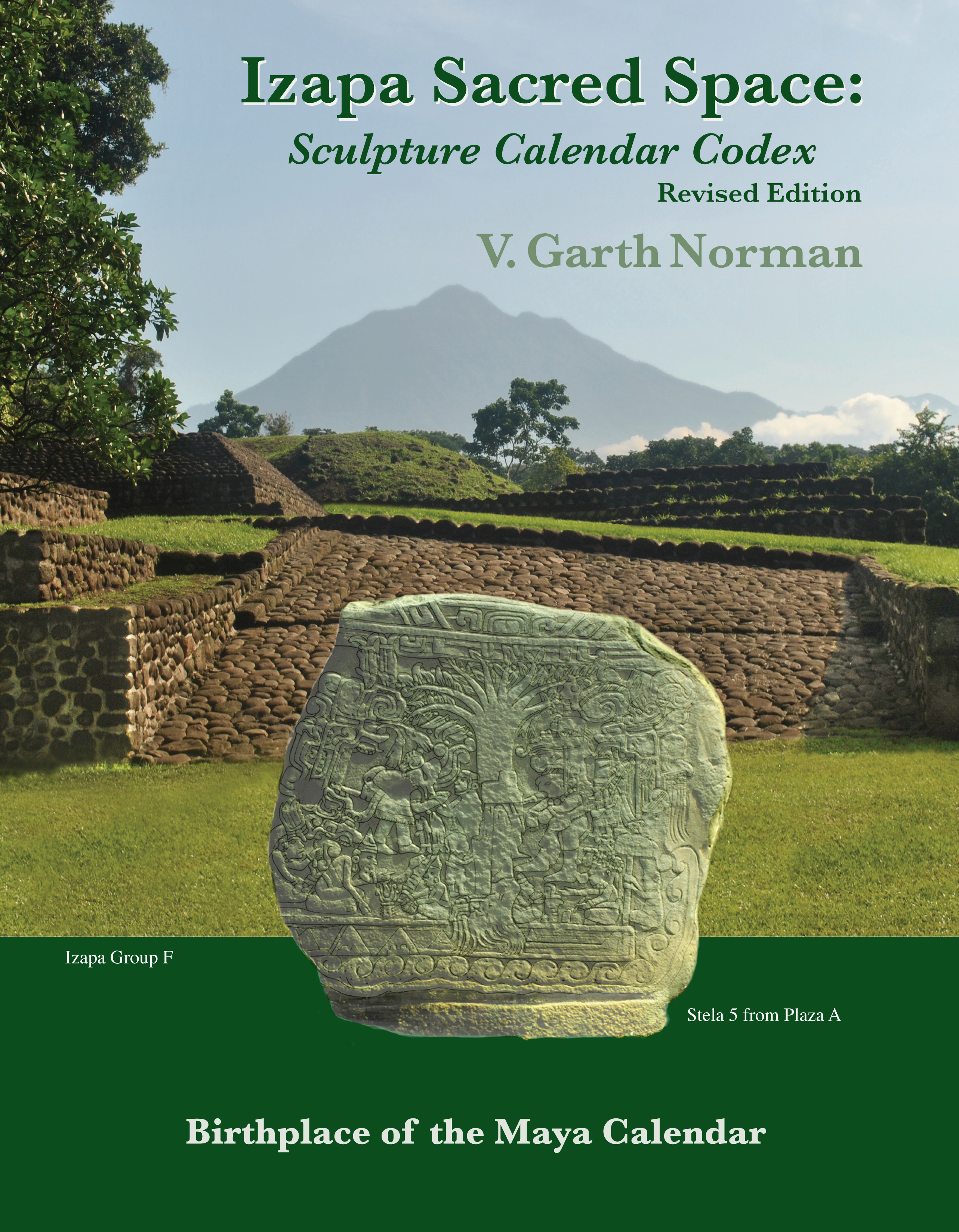
The ancient Temple Center of Izapa, Mexico comprised of small pyramids and grassy plazas the size of football fields is located on the Pacific Coast of Southern Chiapas, Mexico on the Tapachula-Talisman Highway border of Guatemala. Izapa is acclaimed for its many stone monuments mostly carved in a distinctive low relief narrative style expressing cosmological, religious and historic themes. The Izapan cultural period of Mesoamerican civilization developed in the wake of a hiatus of Olmec civilization around 500 B.C. and flourished to about 100 A.D. Izapan culture evolved into or influenced virtually all of the rising ancient Classic Mesoamerican cultures.

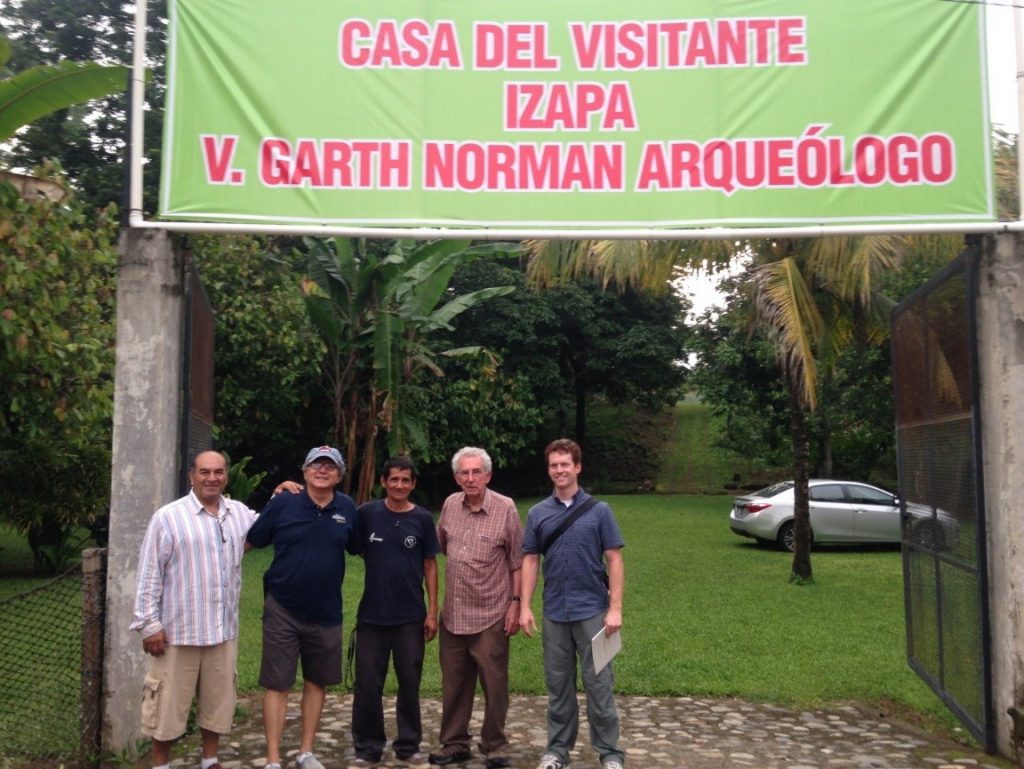
Garth Norman receives gift for his pioneering research of the Izapa Temple Center from Tapachula, Mexico Presidente Orduna Morga at Civil Ceremony June 2010

Norman speaks at Tapachula Civil Ceremony June 24, 2010  http://www.youtube.com/watch?v=4-8sVWavqeI  

Some Izapa Temple Center discoveries:

  • Central northern axis of the Temple Center aligns to the Tacana volcano.
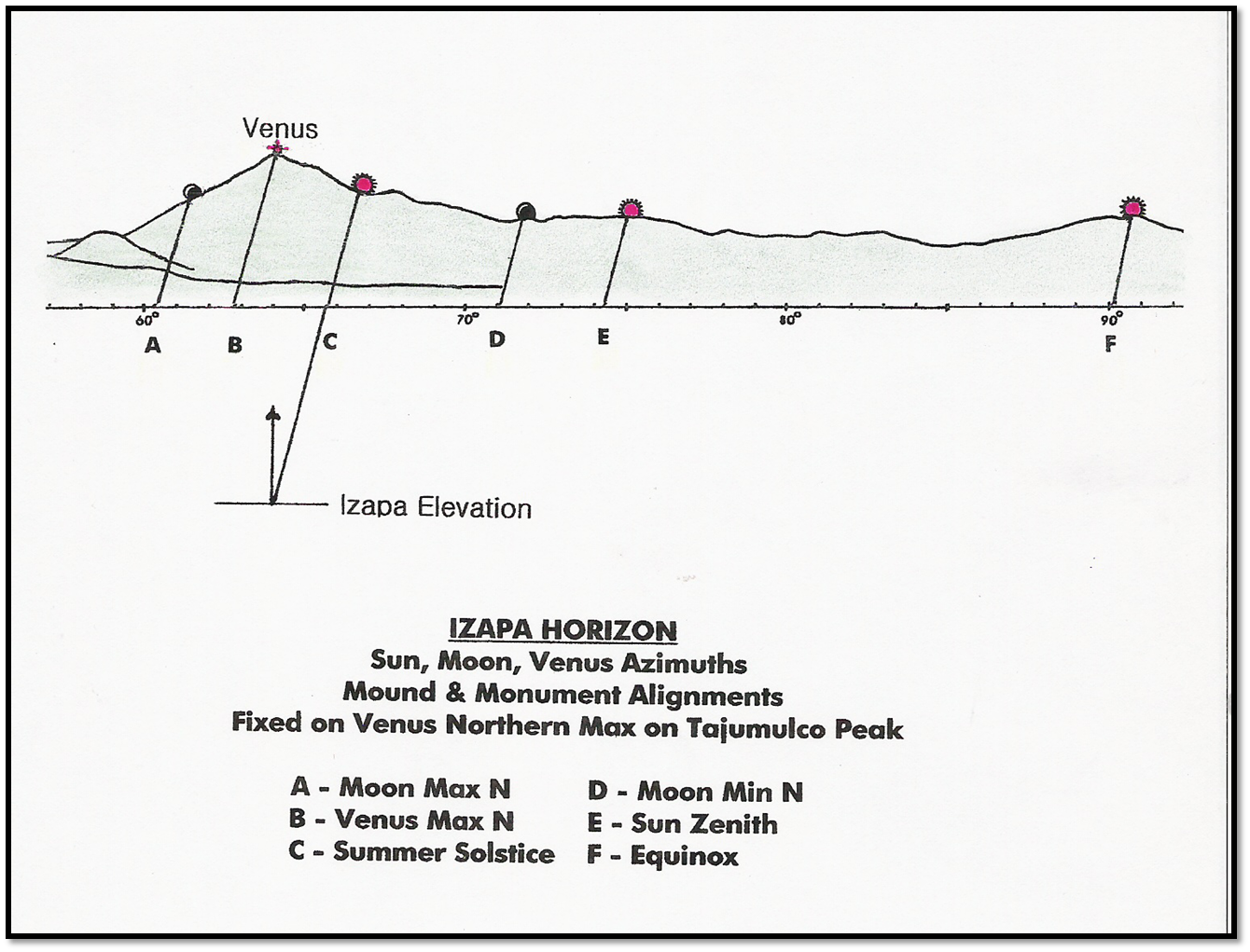
  • Stelae are aligned astronomically with Sun, Moon and Venus cycle rises on the eastern mountains for June21/December 21 Solstices and September 20/March 21 Equinoxes.
  • Base Date of the Mayan Creation is in the 260/105 Day Sacred Calendar.
  • Maya Long Count Calendar at Izapa has a continuous running day count from creation of 3114 B.C.
  • Mesoamerican 52 year Calendar Round substantiated at Izapa.
  • Ancient Geometry and Measurement systems are on stone carvings and in the Temple Center planning and positioning of Mounds.
  • There are 33+ man-made mound-pyramids.
  • There are 90+ stone stelae with pictographic-heiroglyphic low relief carvings–35+ altars and monuments.
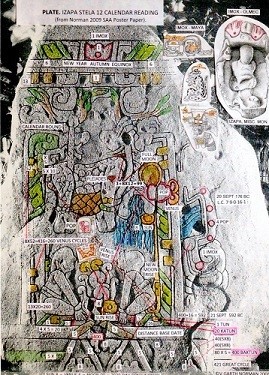
  • Annual calendar cycle (spring, summer, autumn, winter) compares to the human life cycle on the monuments, expressing man’s creation origin, mortal road of life and immortal destiny.
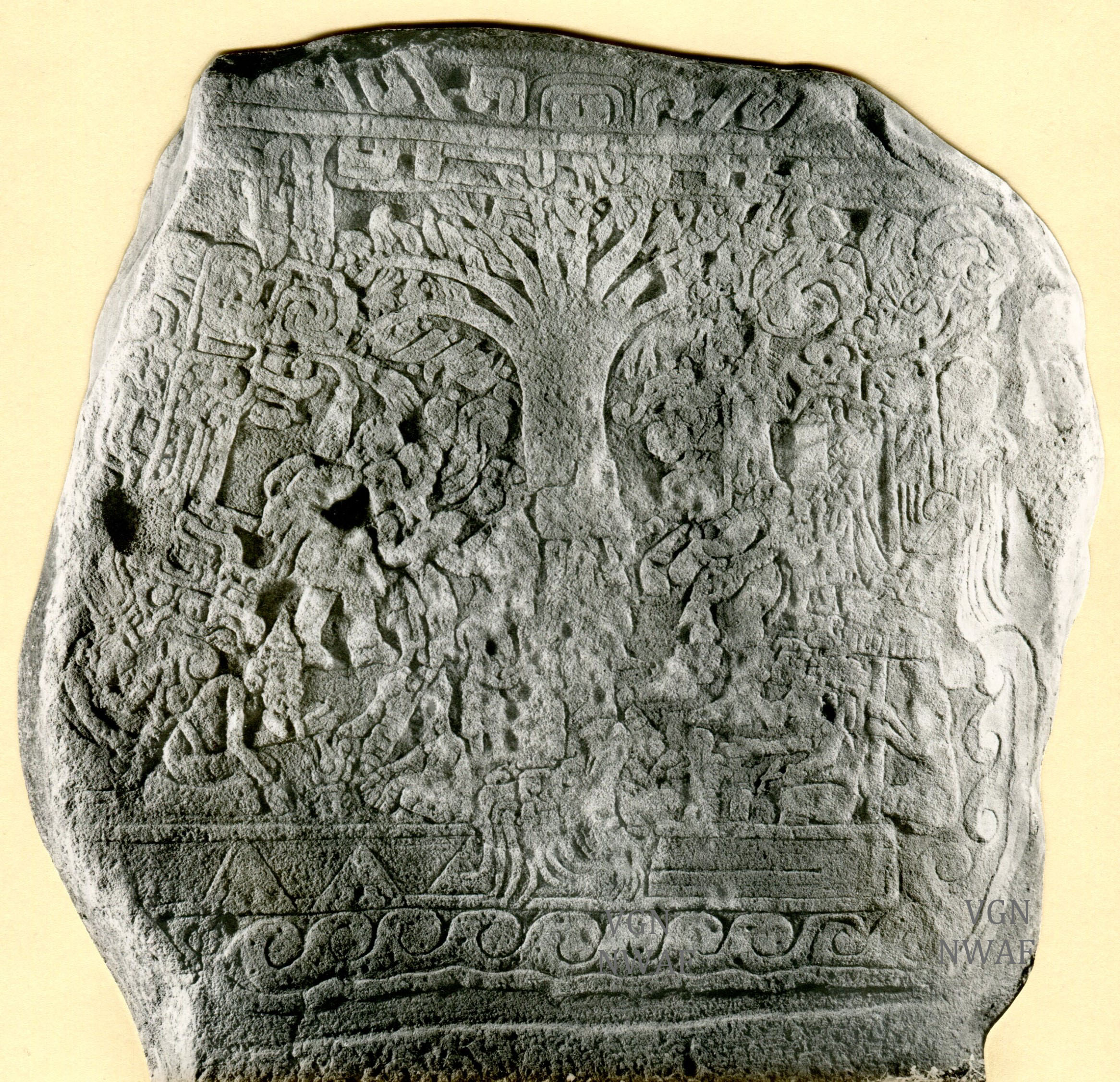
  • Some of the extraordinary sculptured monuments display elements and characters from the Popol Vuh, sacred book of the Quiche Maya of Guatemala.


Izapa Sculpture/Text & Album by V. Garth Norman, New World Archaeological Foundation #30, 1976.

Click on the books below to view a digitized copy.

NWAF Publication 1976


Geometry and Measure at Izapa

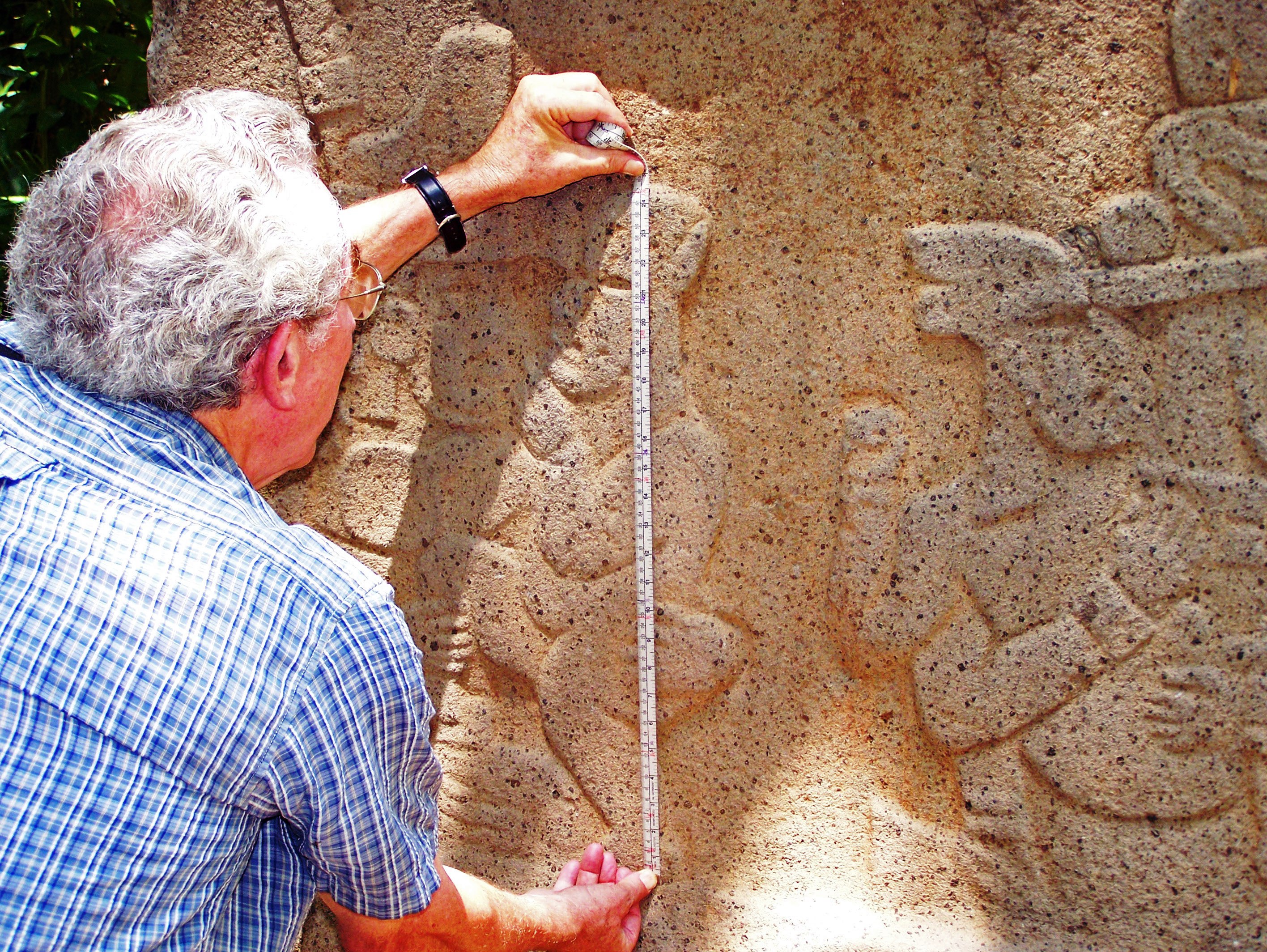
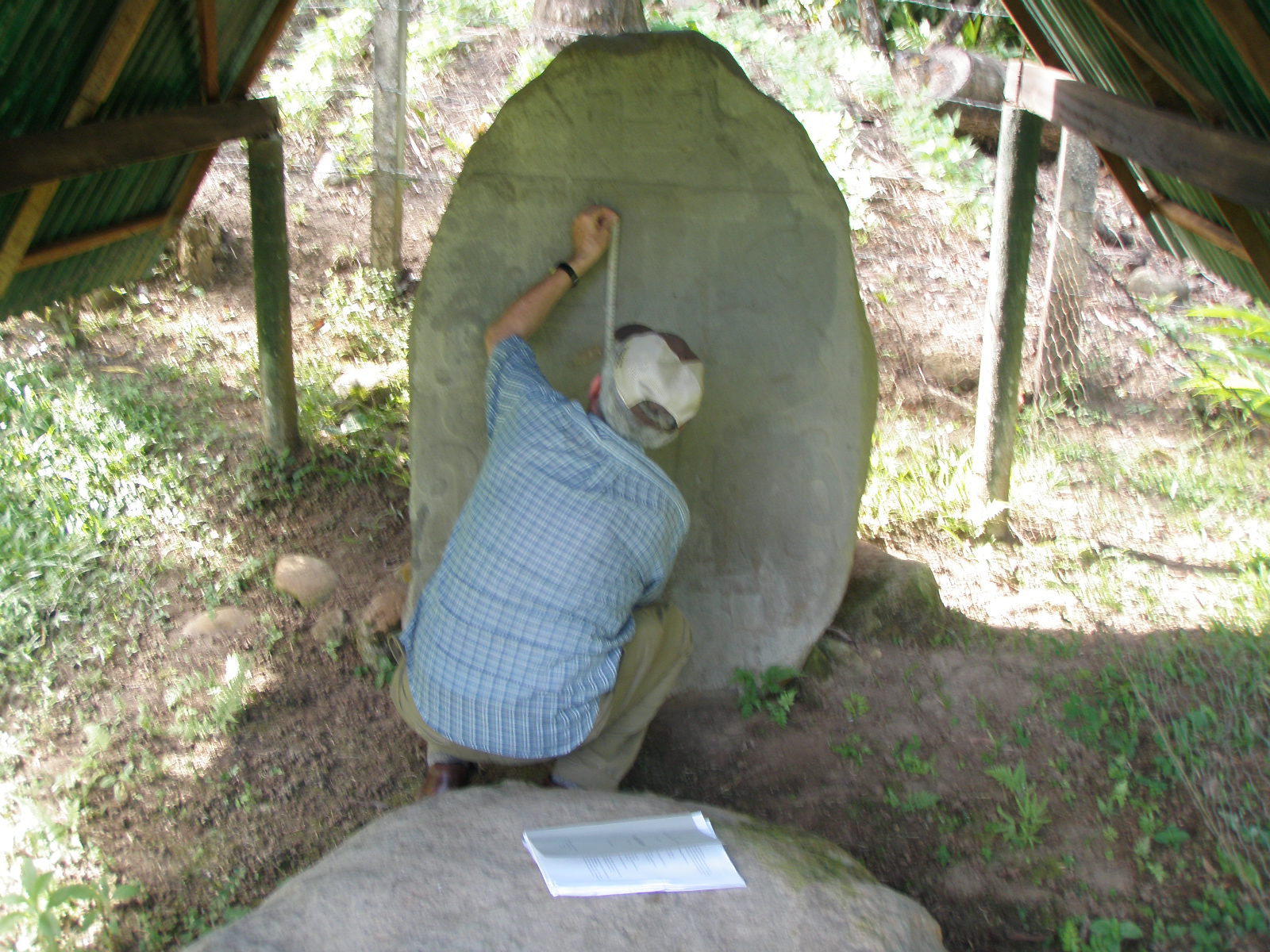
Studies of measurements at Middle American archaeological sites and museum scuptures have revealed a 49.5 cm. cubit (Babylonian Cubit) and a 52.5 cm. cubit (Egyptian Cubit) was used by ancient artisans in the high civilizations of Mesoamerica. 

http://www.ldsmag.com/bookofmormon/100312mesoamerica.html

Presentation on Middle East Geometry and Measurement in Middle America by V. Garth Norman delivered at the Atlantic Conference in Halifax, Nova Scotia, August 17, 2008.   Bio Clip: http://www.atlanticconference.org/2009/bioGarthNorman.html

The standard measure used to plan and create monuments at the Izapa temple center in southern Mexico is the 49.5 cm. cubit. It can be detected along with its doubling and halving divisions and proportional repetitions on monument carvings and architecture as well as in the layout of the entire temple enter complex, confirmed in field studies from the 1980’s to the present.

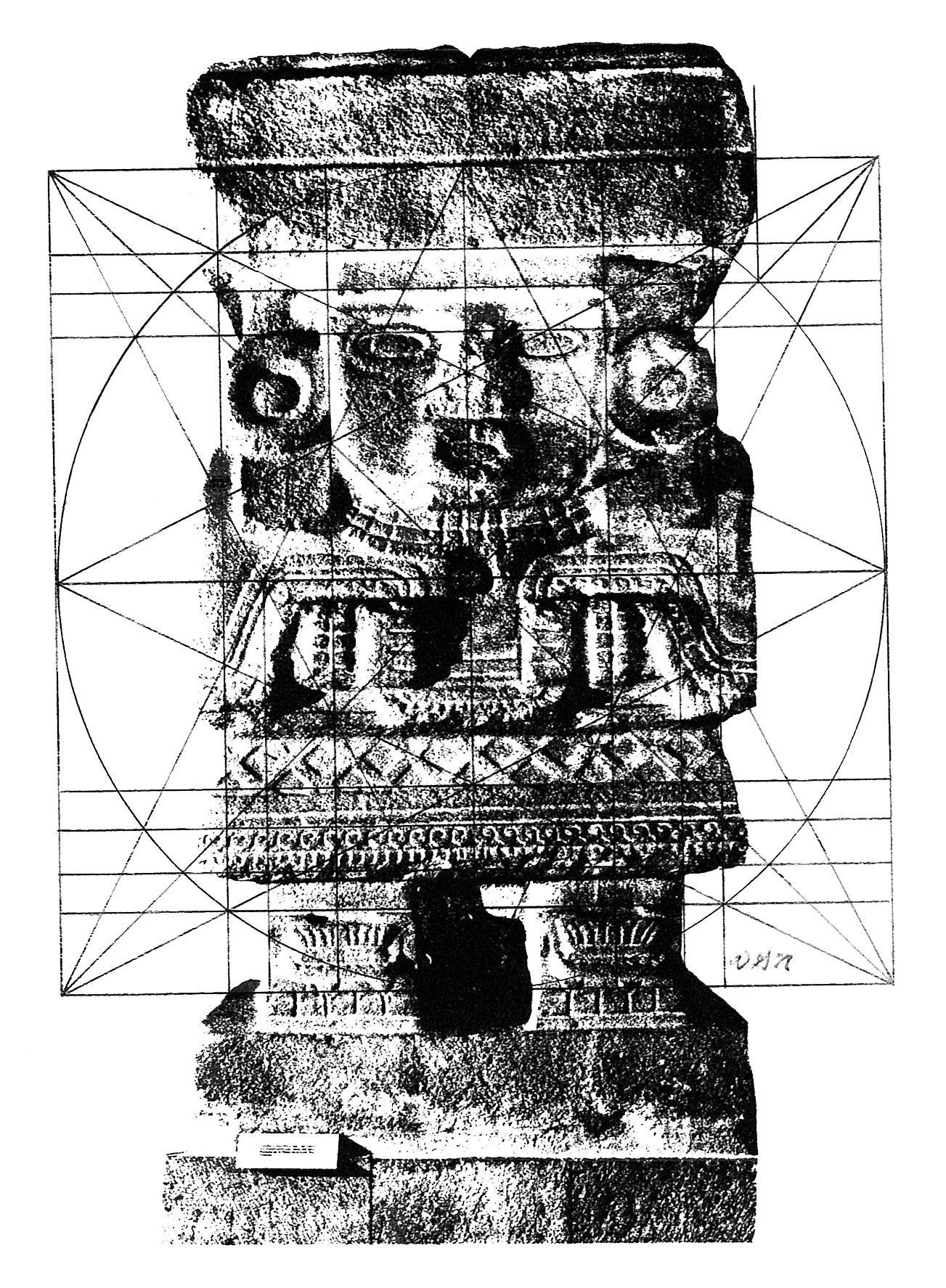
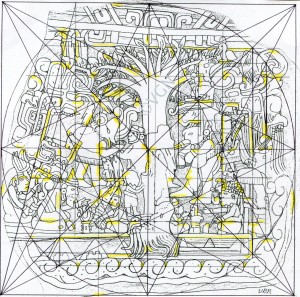
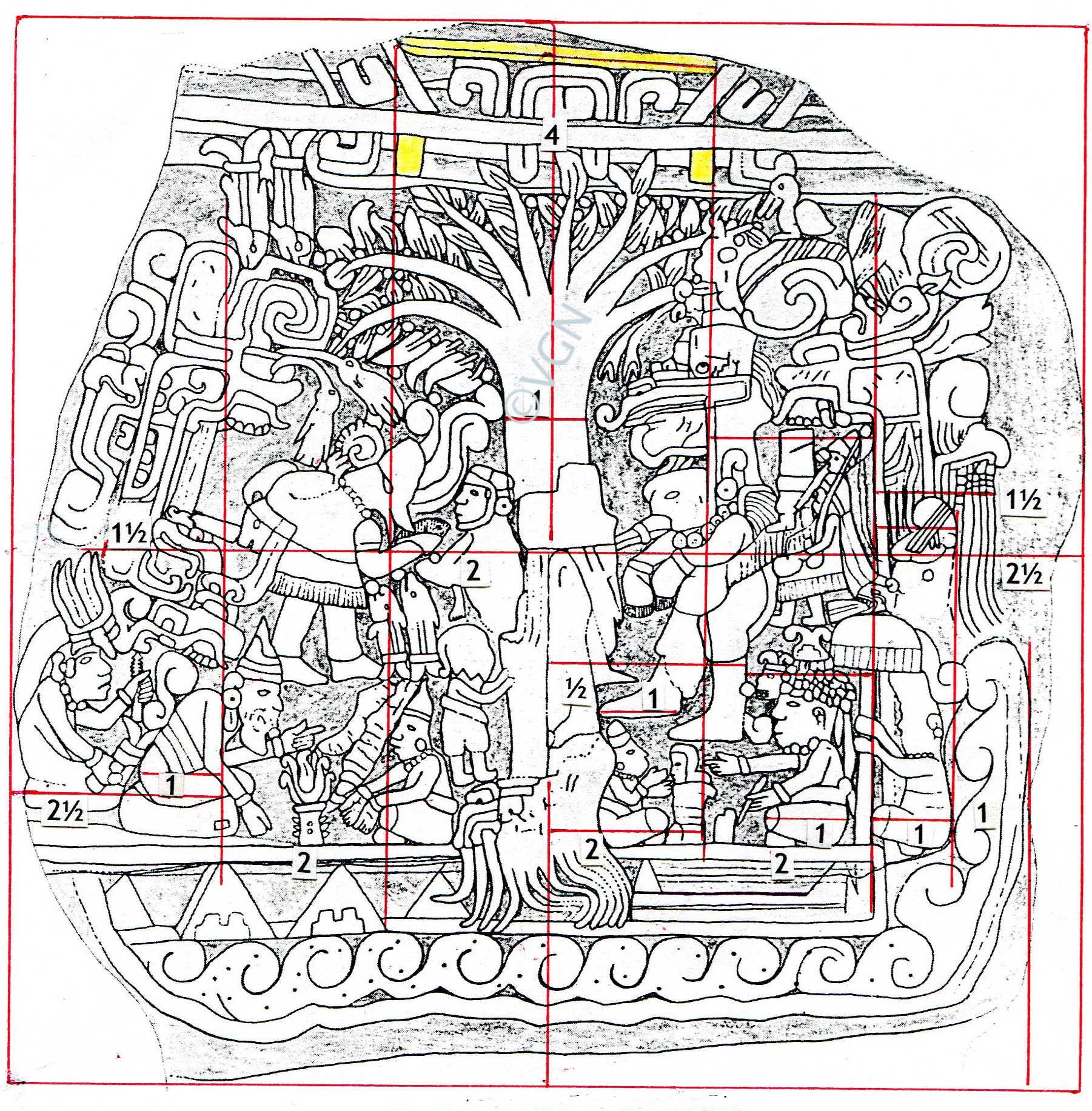
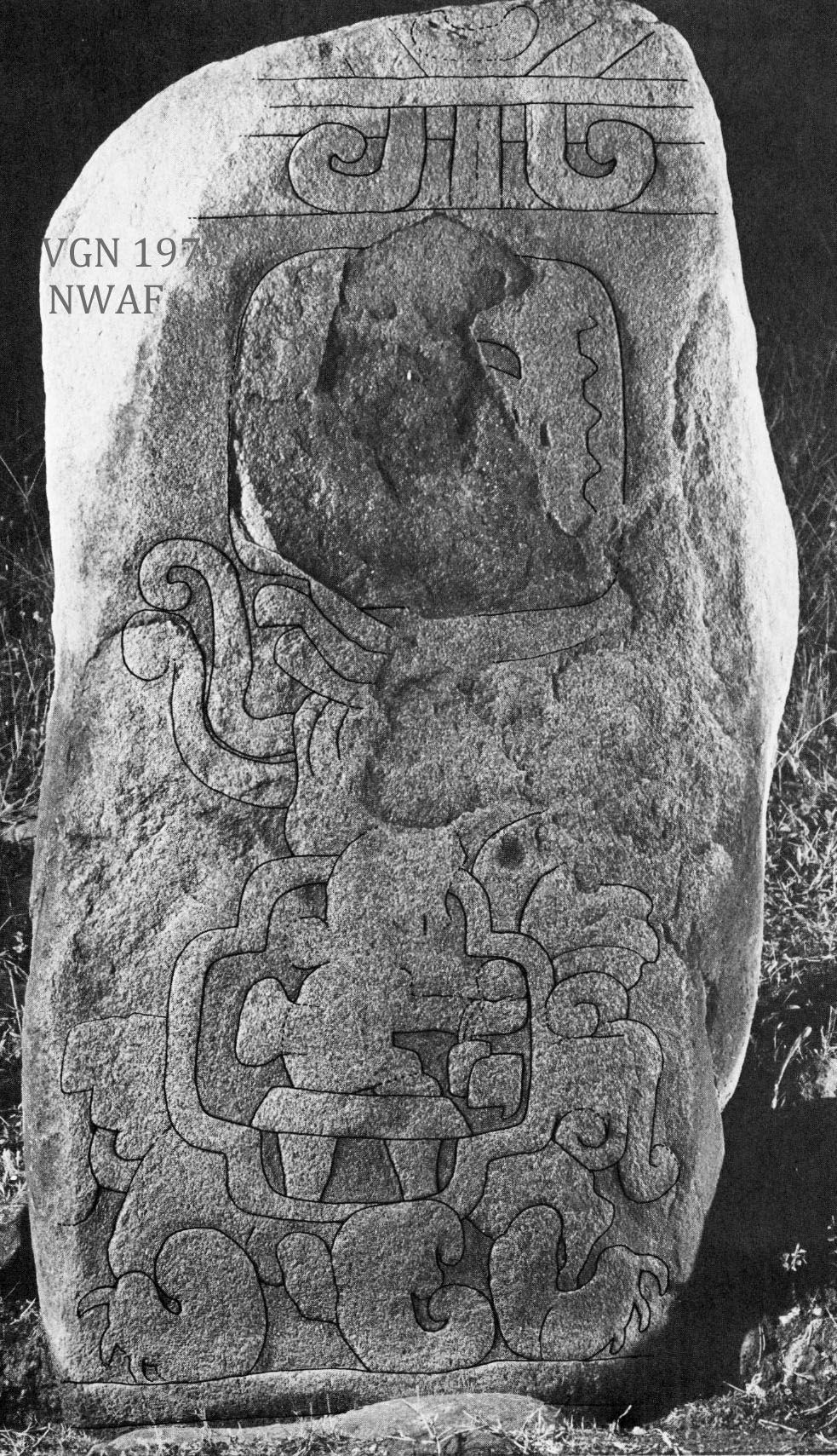
The full system of geometry and measures is most evident on Izapa Stela 4 dedicated to a half life sized priest-king standing about 3 feet tall. The  Cubit (Rod Base) standard measure (49.5 cm.) is the height of the ground panel and also the distance between the king’s ear and belt mask earspools. The figure’s full height to his raised scepter contacting the diving god is 99 cm. – 2 RB cubits. From the same contact point to his ear spool is one RB cubit, and from that ear spool to his belt mask’s ear spool is half again.

Izapa Stela 4 Geometry. Measurements are increments of 49.5 cm. the Royal Babylonian Cubit

Both forearms measure 1 RB cubit. His feet and ancle bands are half the forearm cubit in length, as are the top lines of his cross glyph. His earspool up to the two earspools on the descending angel above his head document 3/4 and 1/2 units. Tooth widths in the ground panel and angel wing glyph document 1/4 and 1/8 units. It is quite possible, even probably, that Stela 4 was used like the Babylonian King Gudea’s statue to establish and confirm a standard measure. It is the central most prominent and only carving at Izapa dedicated to a king.

Izapa Stela 4 Priestly King with Geometry overlay showing precision in spacing.

I found the same forearm and foot measures on life sized human figures in stucco panels on Palenque temple walls that were carved a thousand years later. This shows a remarkable preservation of this artistic planning and measuring tradition in ancient Mesoamerican civilizations.

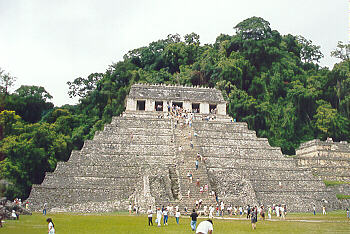
Pyramid of Pacal

9:14 pm

Izapa Temple

Palenque ruins exhibit the Mesoamerican Standard Measure and Geometric planning.

by V. Garth Norman

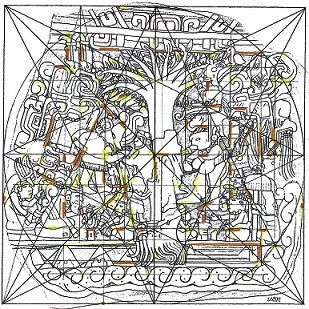
The excellent precision drawings of Palenque panels by Merle Green Robertson, Linda Schele, and Alfred Maudslay, made my task of checking geometric structure in the five major Palenque slab sculptures a truely rewarding exercise. The Palenque panels express an unsurpassed vitality for utilizing the geometric mandala frame with great variety of artistic creativity. The consistency of their golden mandala formats seem self evident.

Divisions in the Palace hieroglyphic panel (below) were obviously dictated by the underlying Golden Mandala format. The center point was interestingly reserved for reference to the ancestral King Pacal in the text.

Centers on all carvings are easily located between base and side mandala border references. The open top (except Sarcaphogus lid below), seems to refer to the unbound sky as expressed on Izapa sculptures in upward sloping sky panels. The composition of the Foliated Cross panel to my Golden Mandala reconstruction (as with other Palenque panels) appears self evident.

Palenque Tablet of the Foliated Cross - Geometric Structure

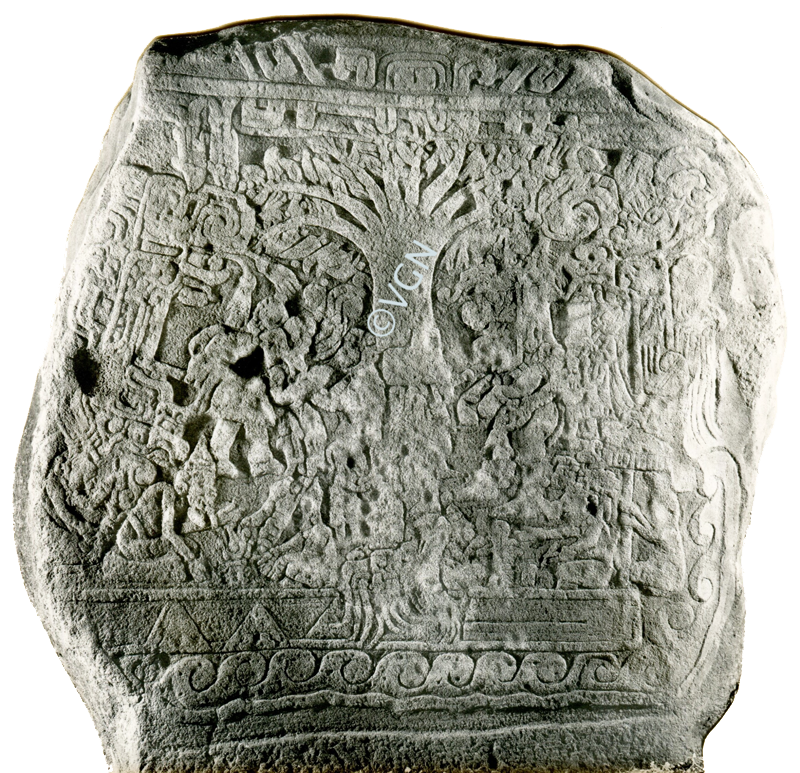
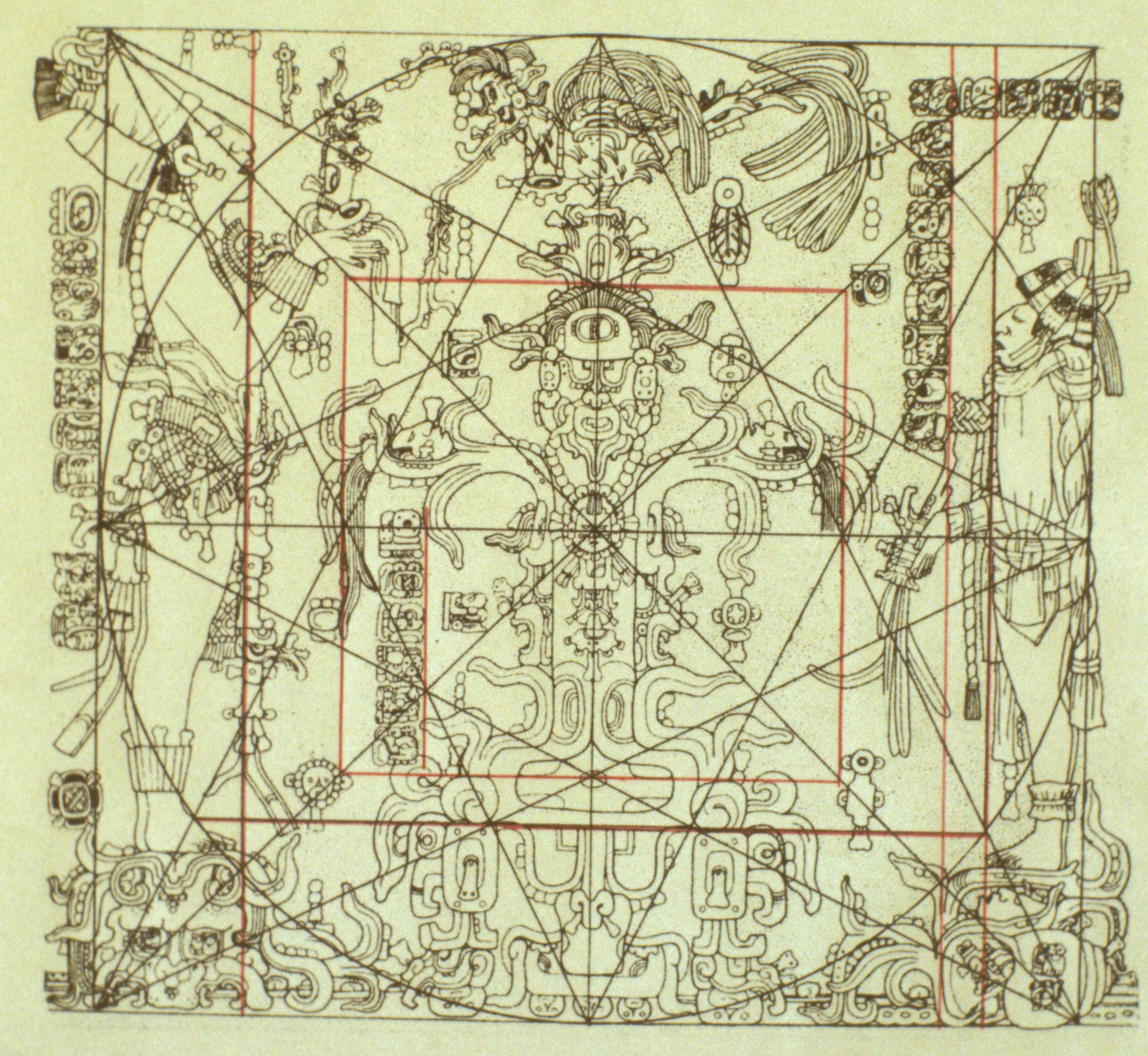
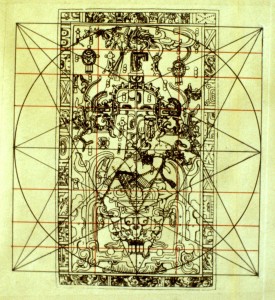
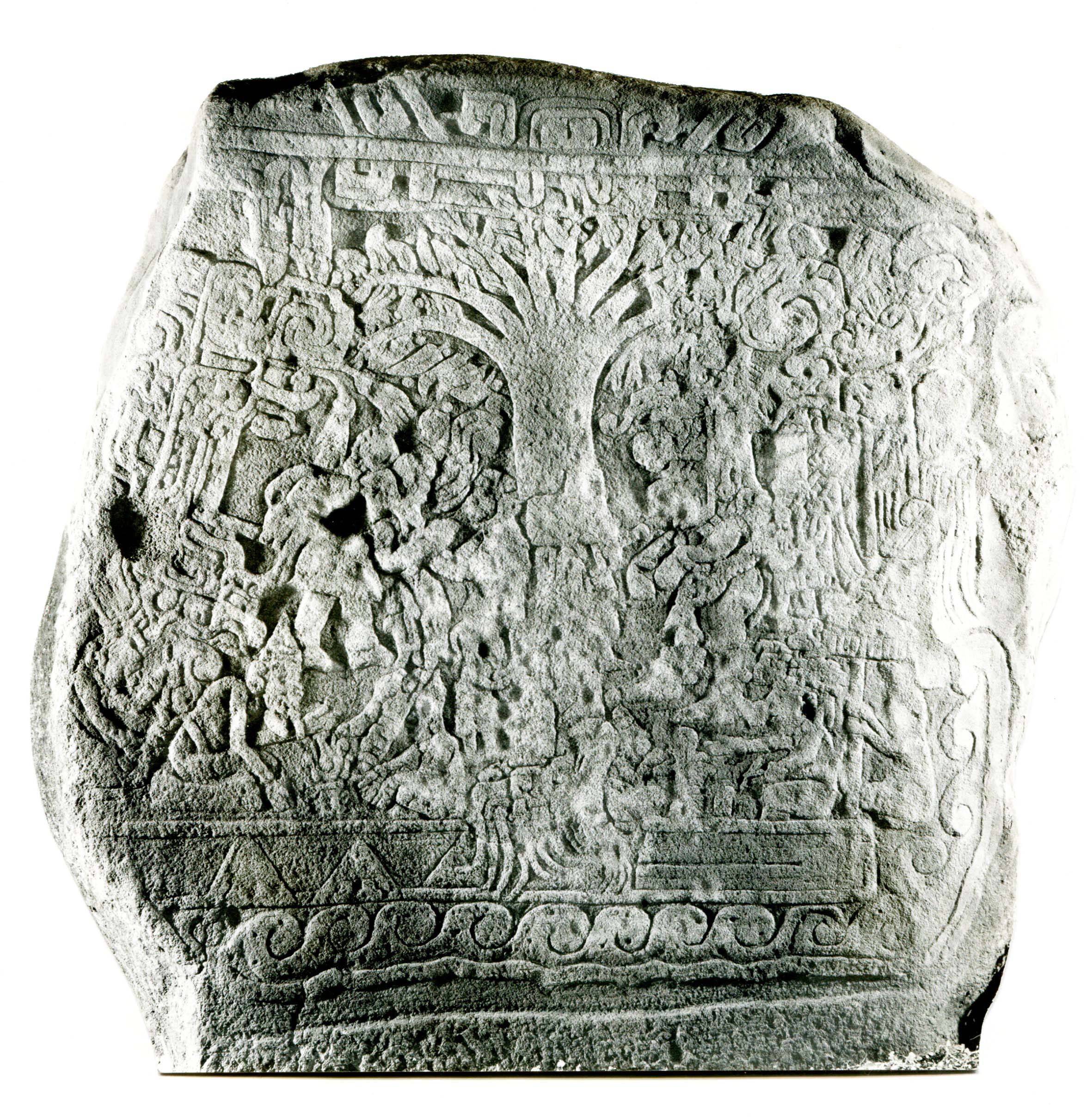
Palenque Tomb Sarcaphogus Lid Tree of Life Ascension (compares to Izapa Stela 25)


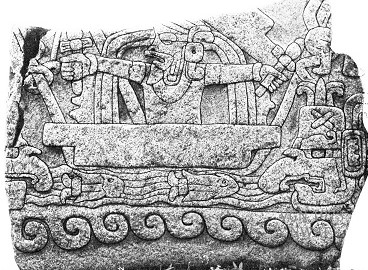
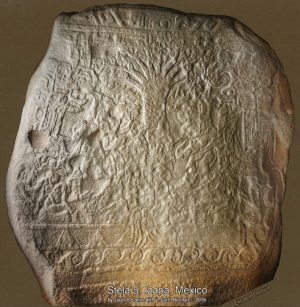
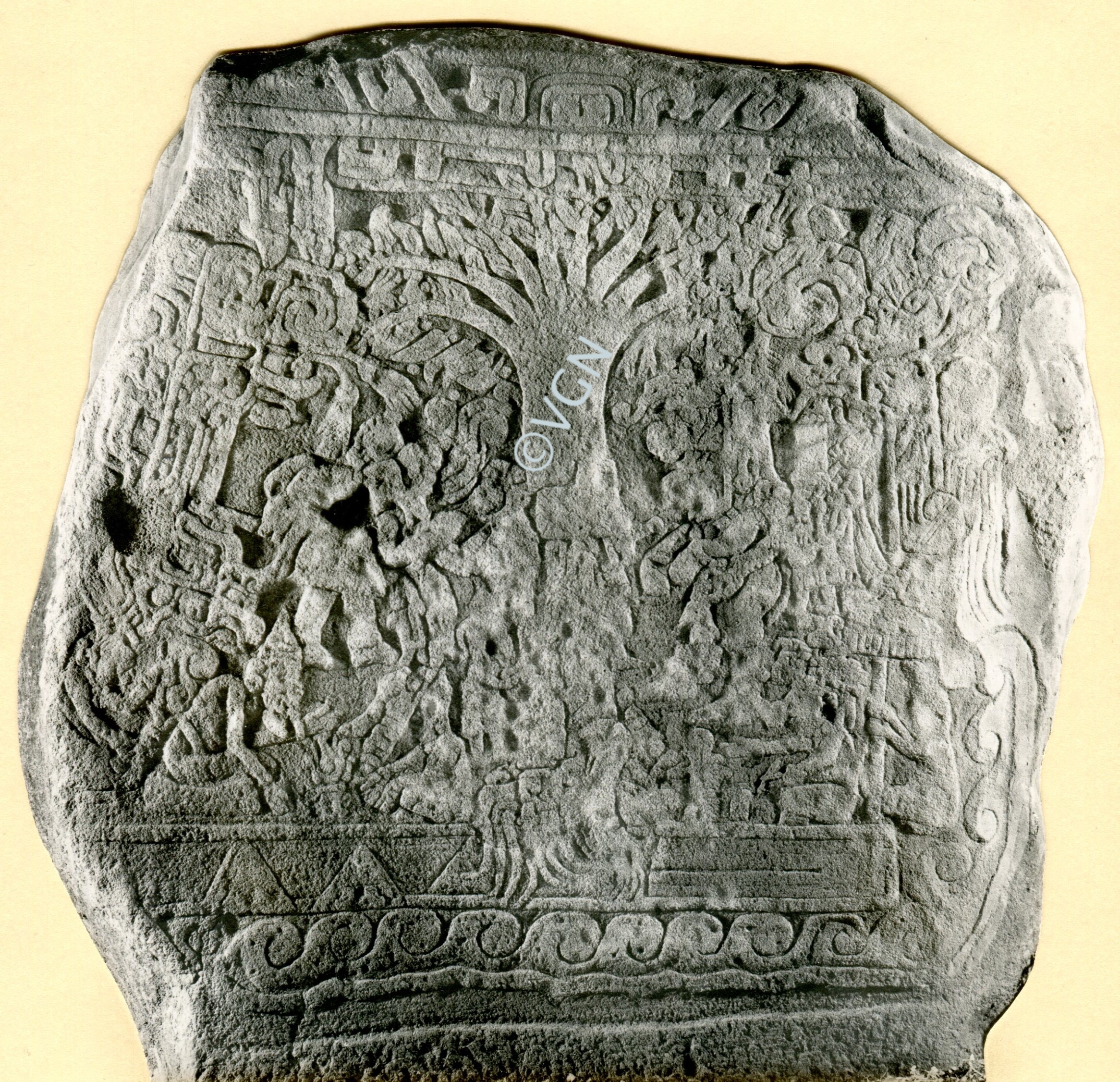
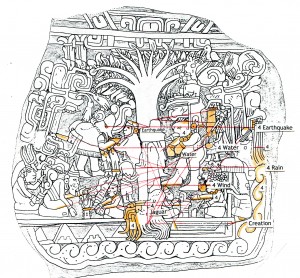
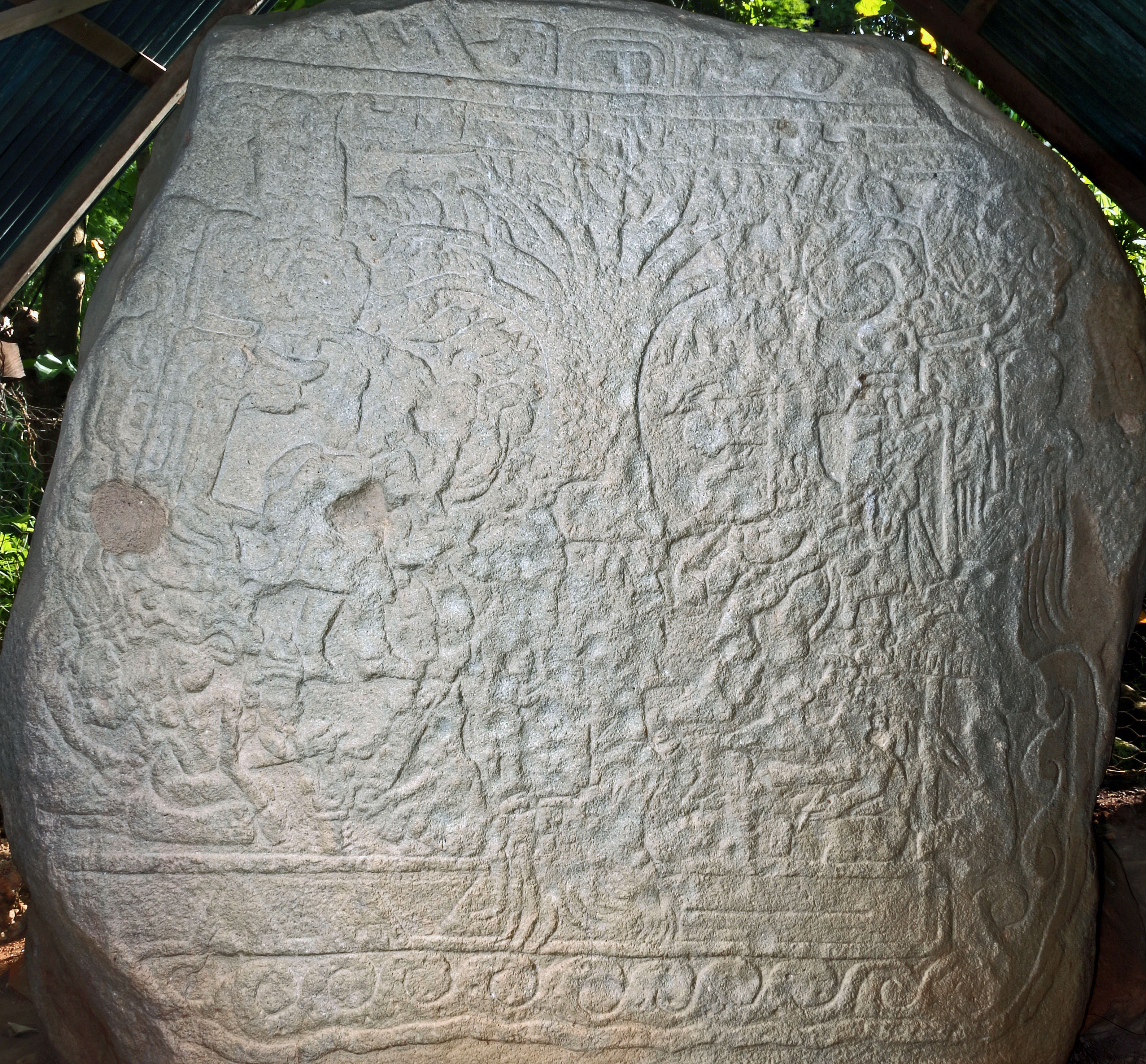
The perfection of the Golden Mandala composition is reflected in mirror images and glyph columns on opposite sides of sculptures that conform to geometry lines.  The composition and theme of Pacal’s Sarcaphogus Lid carving are distinctly rooted in the Izapan tradition, best manifest on Izapa Stela 5.  This Palenque carving is unsurpassed in Mesoamerican art for its beauty in expressing immortality. I believe the geometry dramatizes that theme.  In addition to the conch, Pacal is being lifted by the long-lipped masks beneath his foot and in back of his head. Pacal is in the midst of flowering through the action of the sun (Kin glyph) on the crown of the earth monster. He sits directly on a budding blossom. Death is evident in the Cimi glyph at the right, but life out of death is manifested in the tri-partite leaf plant projecting from it. As with most dramatic death scenes at Izapa (Stelae 12 and 50), the focus of death here is unmistabably toward a subsequent heavenly ascension.
 
Measurements of antiquities at Palenque
 
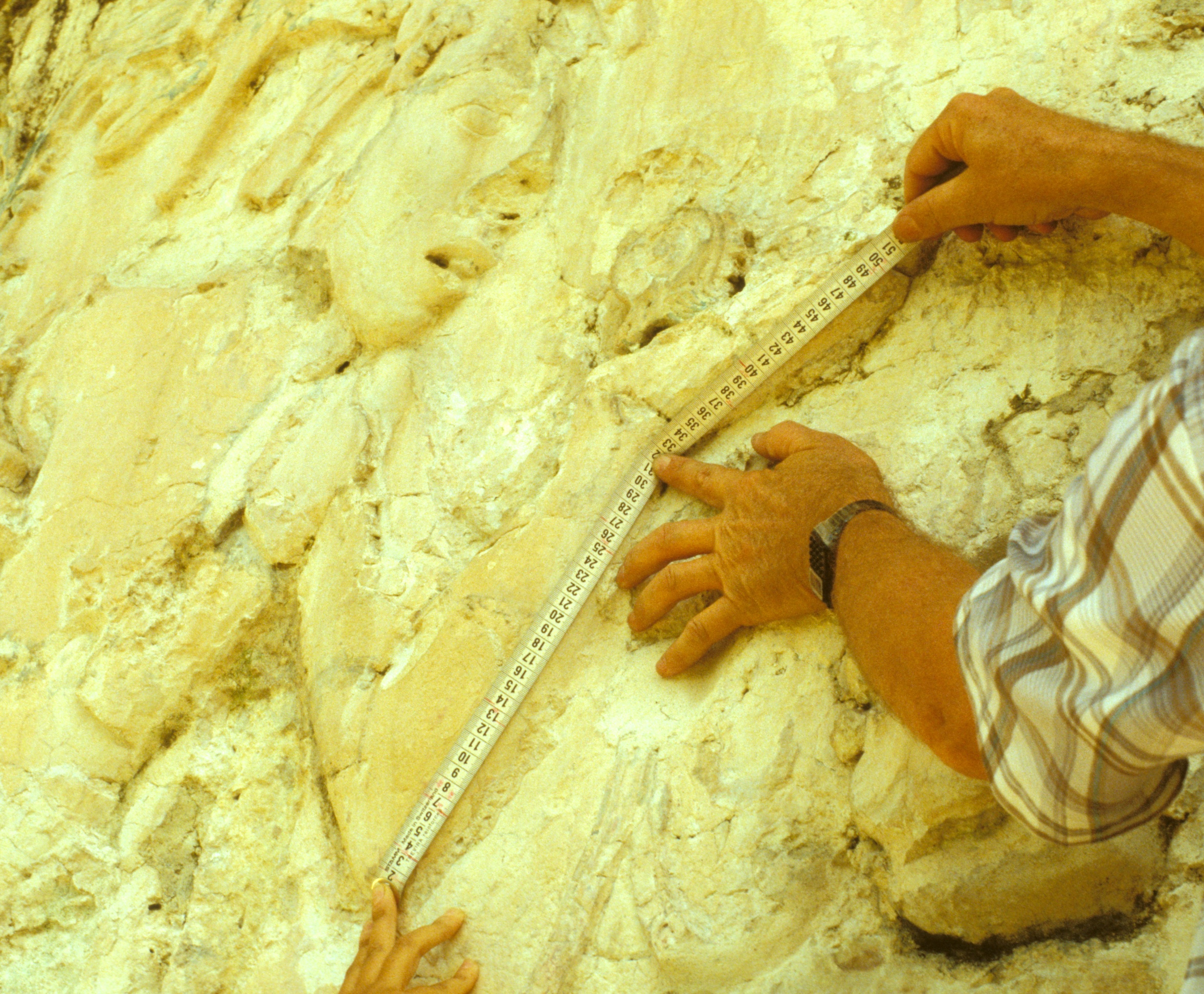
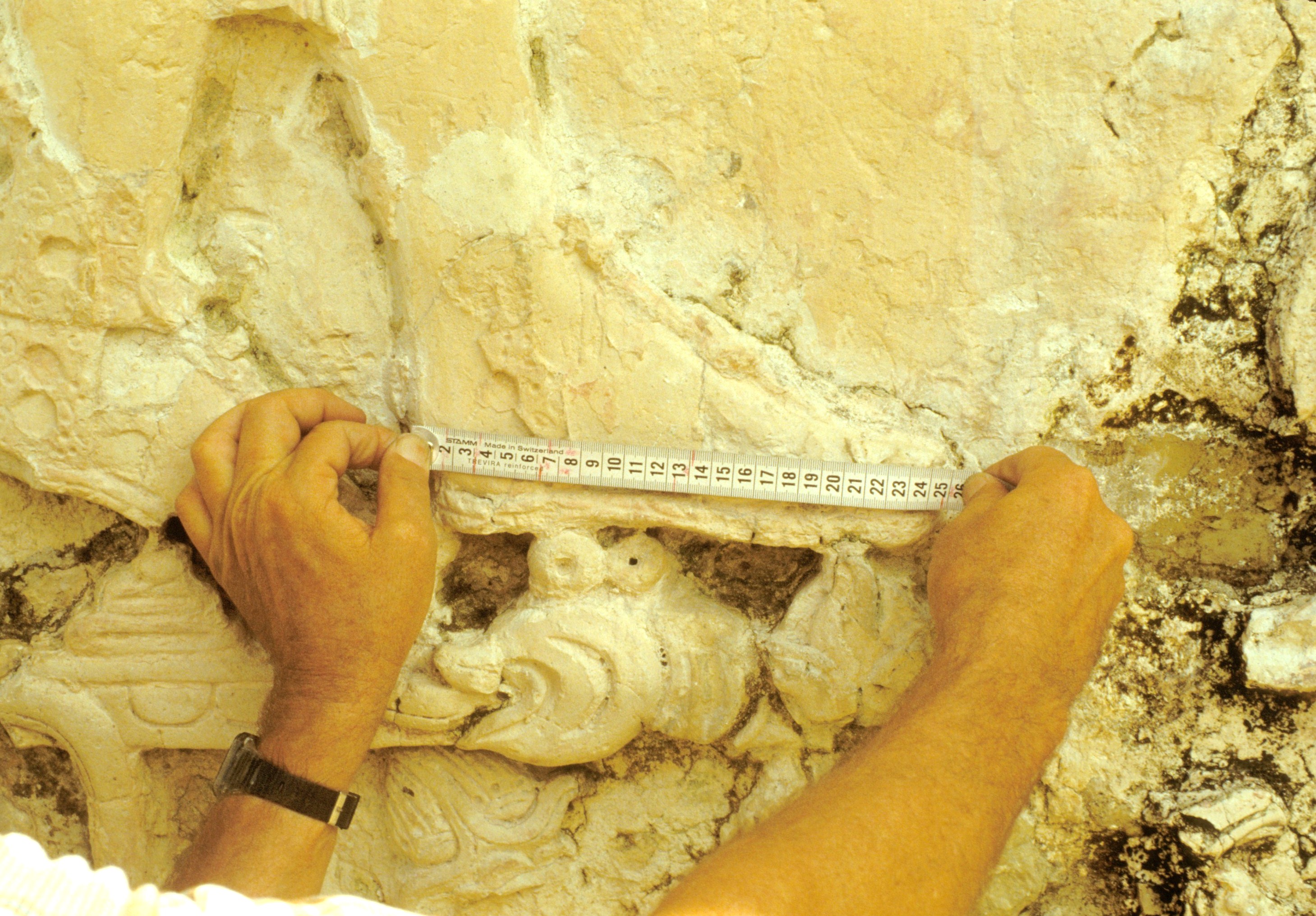
Further evidence is added through measurements of Palenque sculpture (Classic Maya) during a 1986 field study and from excellent scaled drawings of Merle Greene Robertson. LIfe size stuccoed Maya figures on temple wall panels and pillars have hands and fingers curved in gestures for the full forearm length to be measured along the back of the hand and around the fingers. Regardless of the different gestures, forearms of four out of the six intact figures in the Palace are the same length–49.5 cm. RB Cubit. An added surprise came in finding that intact feet on these figures are consistently half the arm length (24.75 cm.) indicating that the foot acts in conjunction with the arm as a standard measure. A double RB Cubit is found on forearms of the carved giants in the north court of the Palace, and a smaller carved figure in that court measures a full RB Cubit – 49.5 cm.
49.5 cm. RB cubit

49.5 cm. RB cubit

Palenque figure's arm (elbow to finger tips) = 49.5 cm. Royal Babylonian Cubit

Palenque figure's foot measures half of arm's 49.5 cm. Royal Babylonian Cubit

Palenque figure's foot measures half of arm's 49.5 cm. Royal Babylonian Cubit

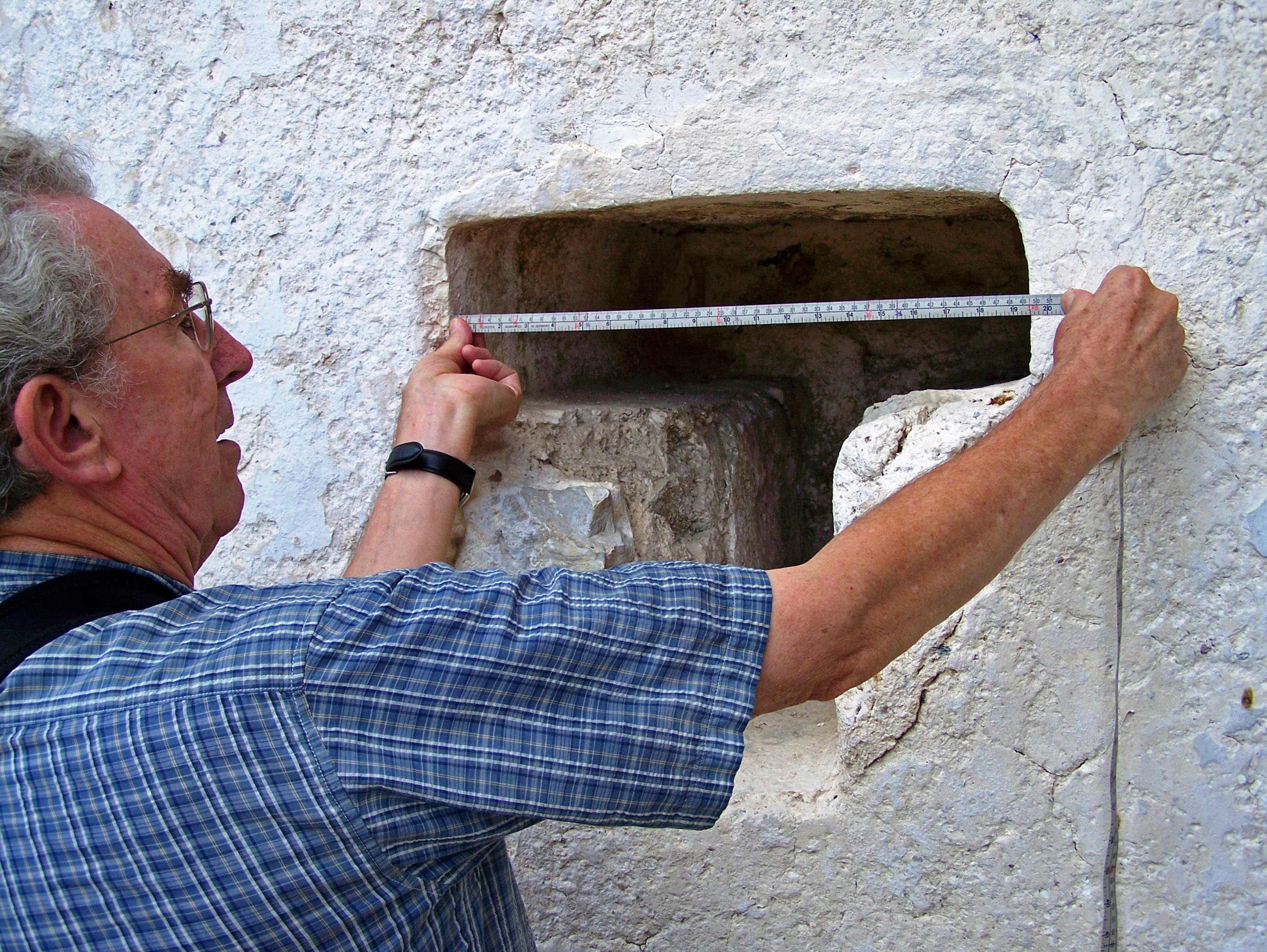
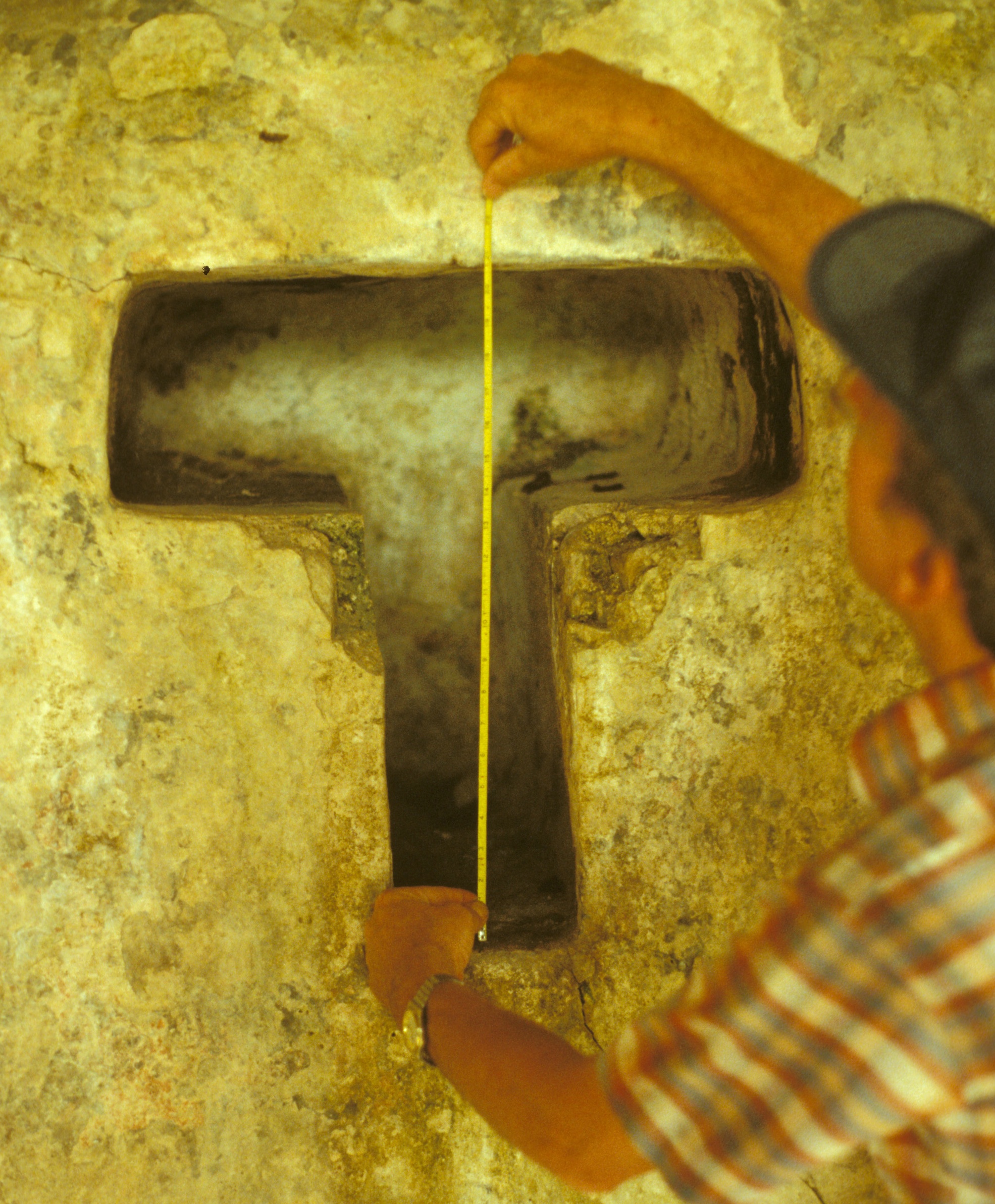
Other measures reveal the RB Cubit was used in Palenque architecture. Some T-shaped windows in the Palace are exactly 1 RB Cubit high and 1 RB cubit wide. Others that differ may have been the work of less skilled masons. Four out of six hieroglyphic panels in the west wall of the Palace’s north court are one RB Cubit square.
See other Website articles on “Geometry and Measure” for more information. Geometry and Measure in Mesoamerica by V. Garth Norman will be announced on this Website.

Log in