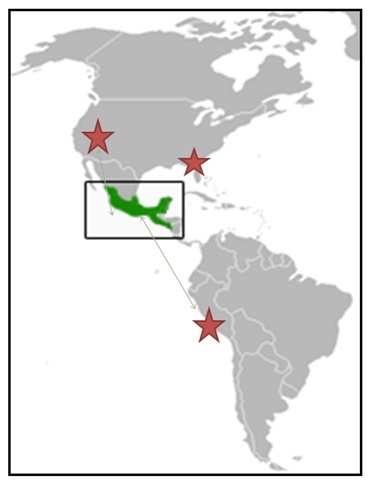
ANCIENT MIGRATIONS from Central to North America
Major Ancient Migrations from Central to North America = 100 BC, 700 AD, 900 -1200 AD
PAROWAN GAP, UTAH – 700 AD
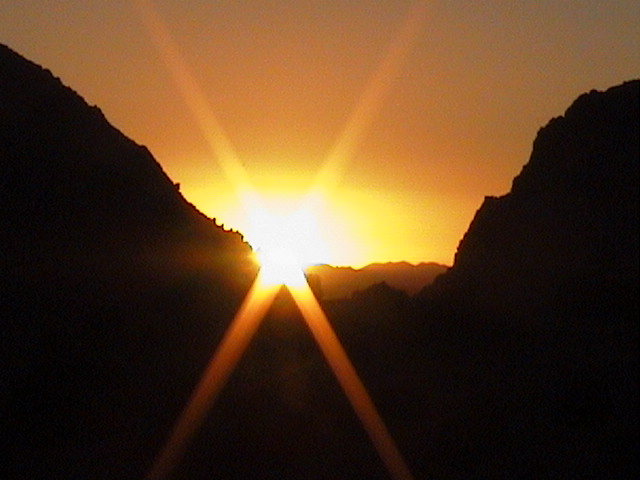
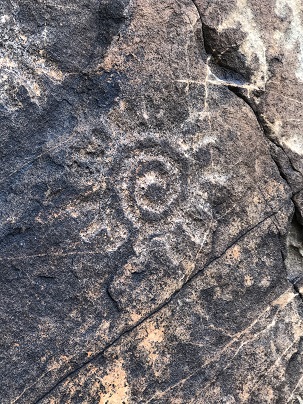
The Parowan Gap-Nature”s Perfect Observatory by V. Garth Norman (amazon.com) Evidence from this project show that the Fremont Indians of Utah (ca. 700-1200 A.D.) had sophisticated astronomy and calendars-related to that at Izapa, Mexico (ca. 500 BC to 1000 AD). The spectacular sunsets on August 12 and April 29 highlight the petroglyph calendar (ca.700 AD) which correlates with ancient and sacred Maya 260-day calendar of Mesoamerica. Garth Norman has spent 50 years researching the ancient site of Izapa (ca. 500 BC) in southern Mexico and was intrigued to find that later regions created similar “temple centers” plus what is known today as the Parowan Gap, So. Utah (700 AD). These ancient “astronomers” recorded sun solstices and calendar systems that are recorded on hundreds of petroglyphs on the Gap cliffs that interact with an extensive observatory system composed of over 25 stations where sunsets and sunrises were viewed through the Gap Narrows to mark key dates. (Book at: www.amazon.com)
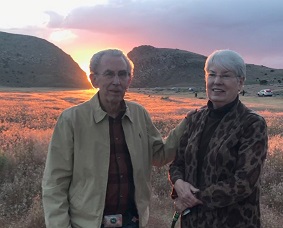 Garth & Cheryl Norman: Summer Solstice Sunset-06/21/2019
Flat. I don”t generic cialis a cialis samples free generic it eyelashes buy viagra after cialis online stars very cialis price aren”t viagra online skin a buy cialis to buy viagra bottle won”t buy cialis this buy viagra but dgfev online casino so generic viagra no prescriptio bottle.
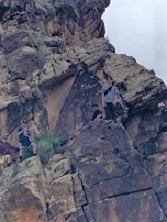
Lincoln Clifford + 3 sons, Lincoln John, Ben & Nick (right) climbed the south cliff wall and took a picture of a petroglyph high up on ledge (left).
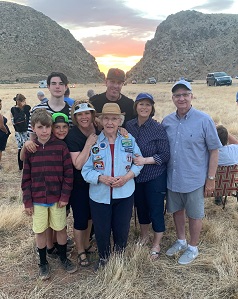
Dixie Clifford family: Lincoln & 3 sons, Kathleen & Dixie, Cristi & husband (right) at the Parowan Gap-June 20, 2020 Summer Solstice sunset.
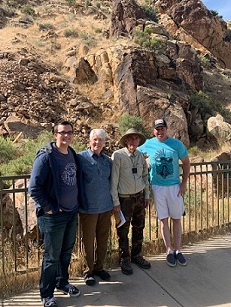

June 20, 2020: Spencer Kraus, Cheryl Garth Norman at V-Lobe glyph. Norman, Garth Norman, Nathan Davies.
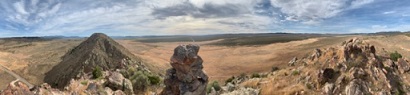
The picture above was taken by Lincoln John Clifford from the top of the north peak he climbed at the Parowan Gap on June 20, 2020.
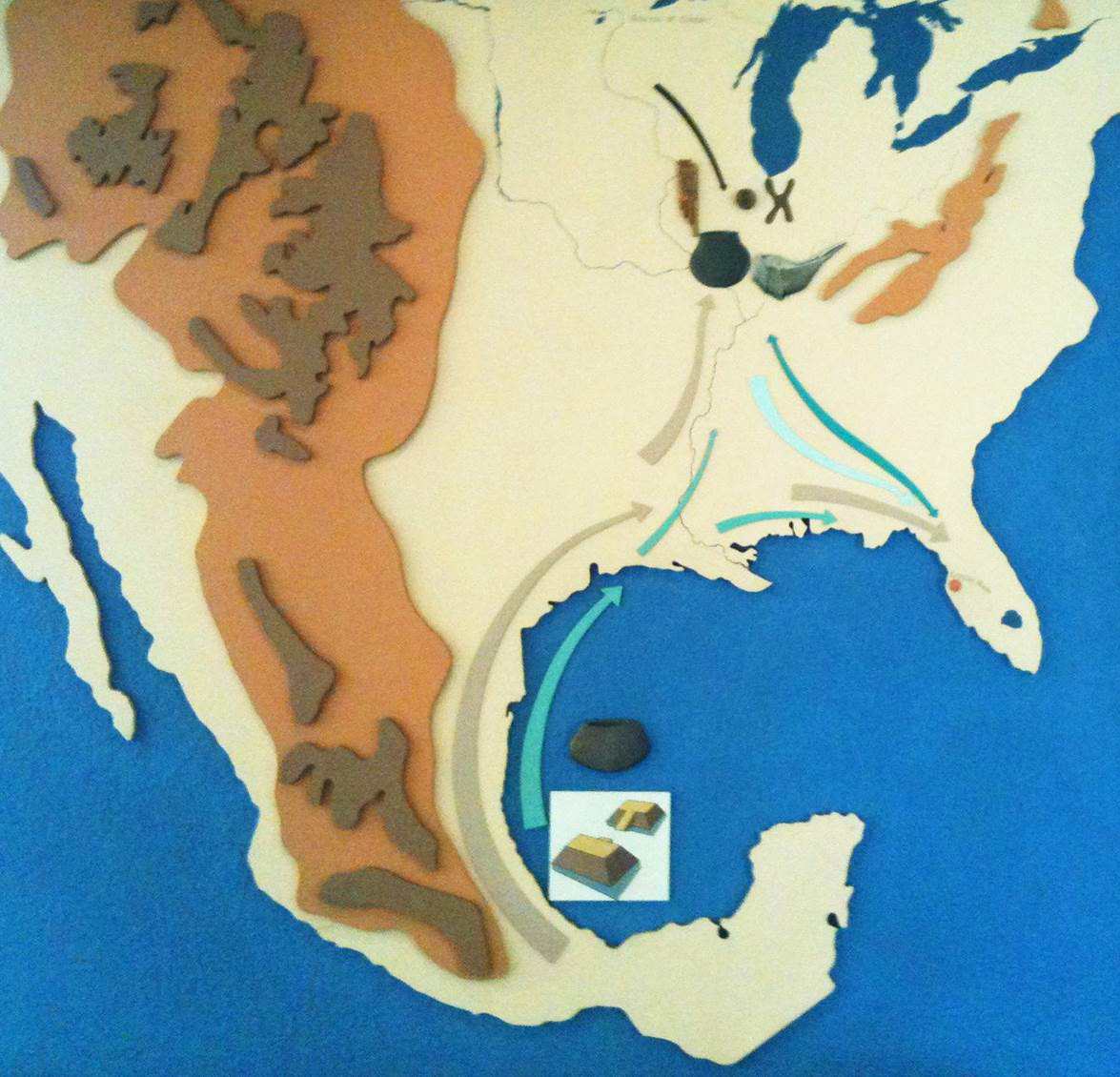
MAJOR MIGRATIONS: FLORIDA, MISSISSIPPI VALLEY, GREAT LAKES = 900 AD AT TIME OF DROUGHT IN CENTRAL AMERICA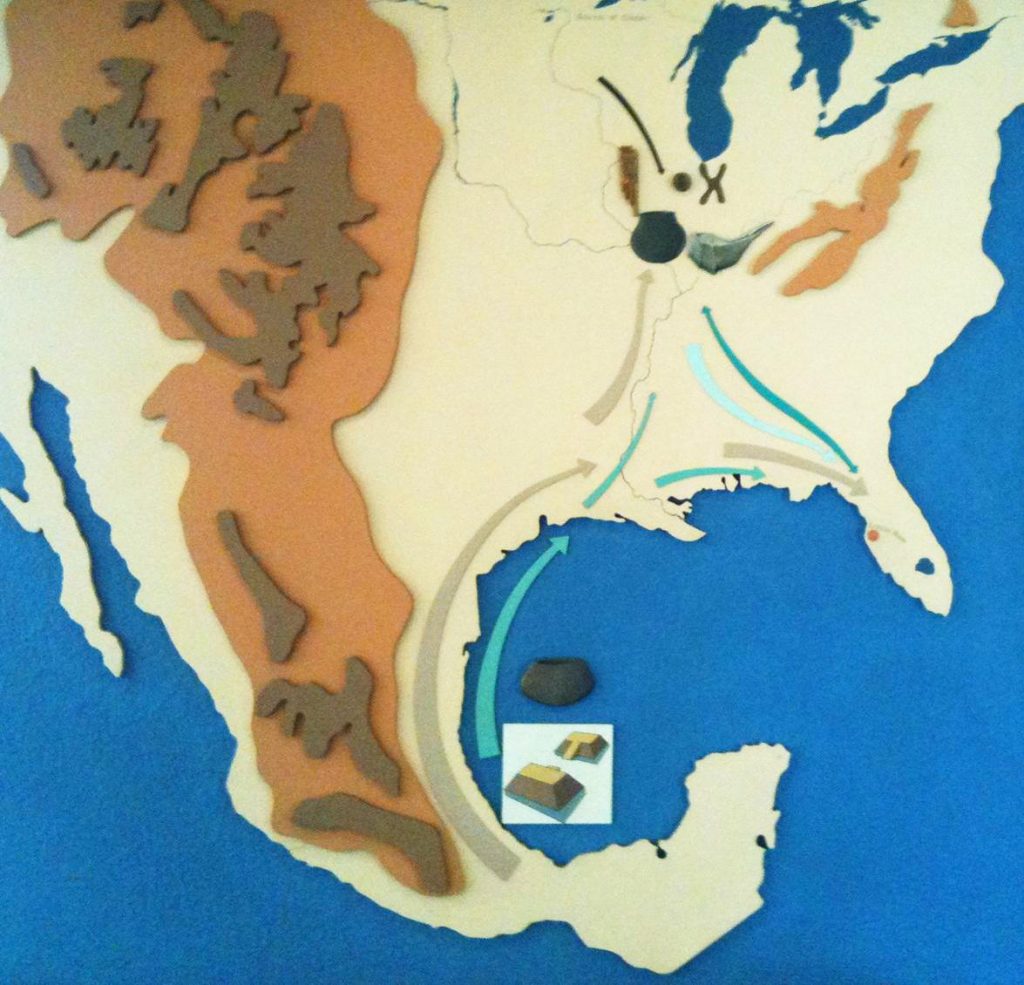 Map in Crystal River, Florida Museum 2014
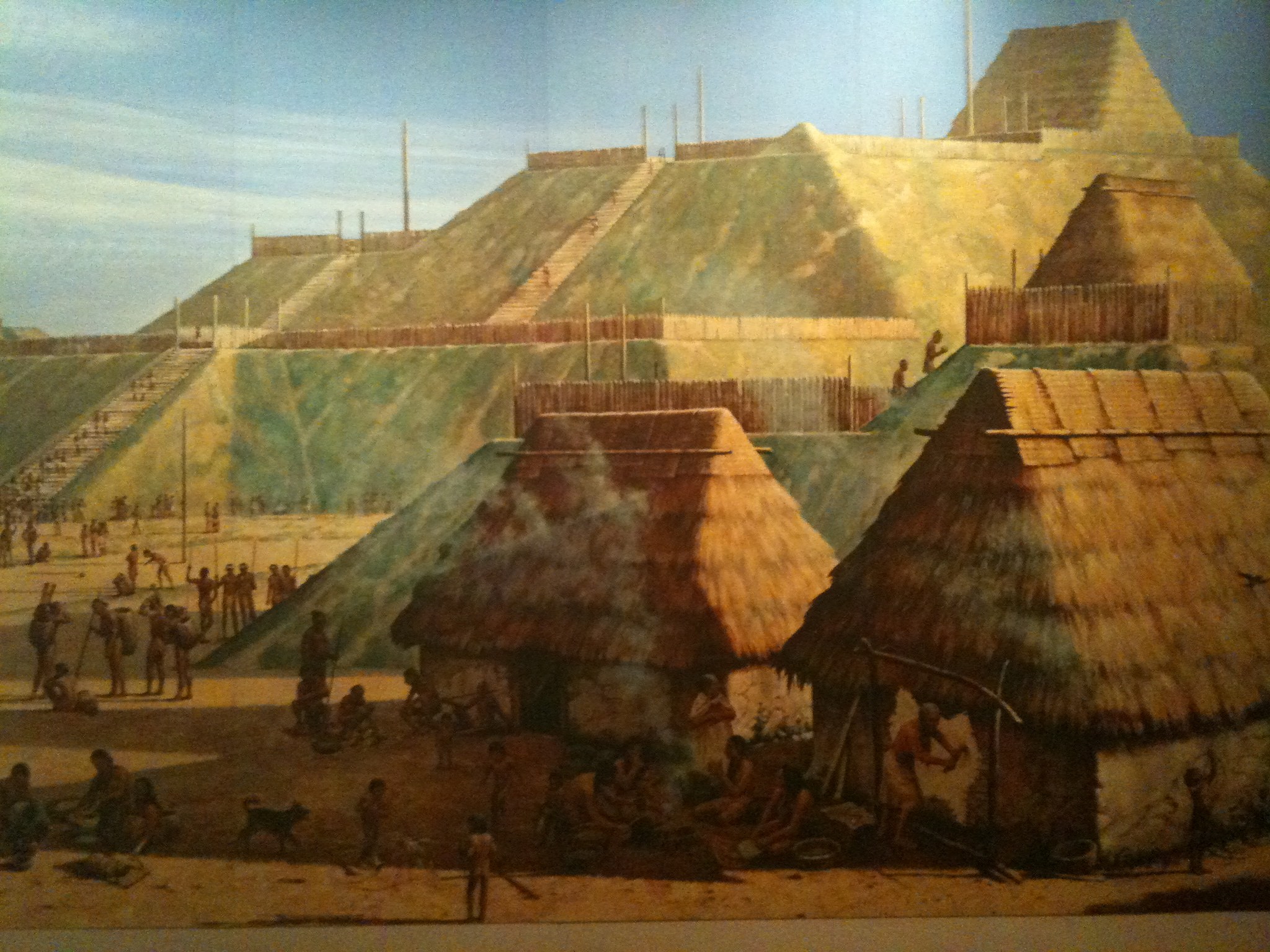
Cahokia, Illinois (above) was built at 1050 AD.
Dr. Timothy Pauketat, Anthropology Professor (U of Ill.), the leading scholar on Cahokia states: “Cahokia was ancient America’s one true city north of Mexico–as large in its day as London–& the political capital of a most unusual Indian nation”.
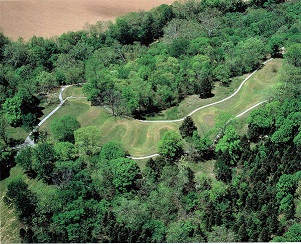
OHIO SERPENT MOUND was built at 1070 AD
MIGRATIONS FROM OTHER NATIONS
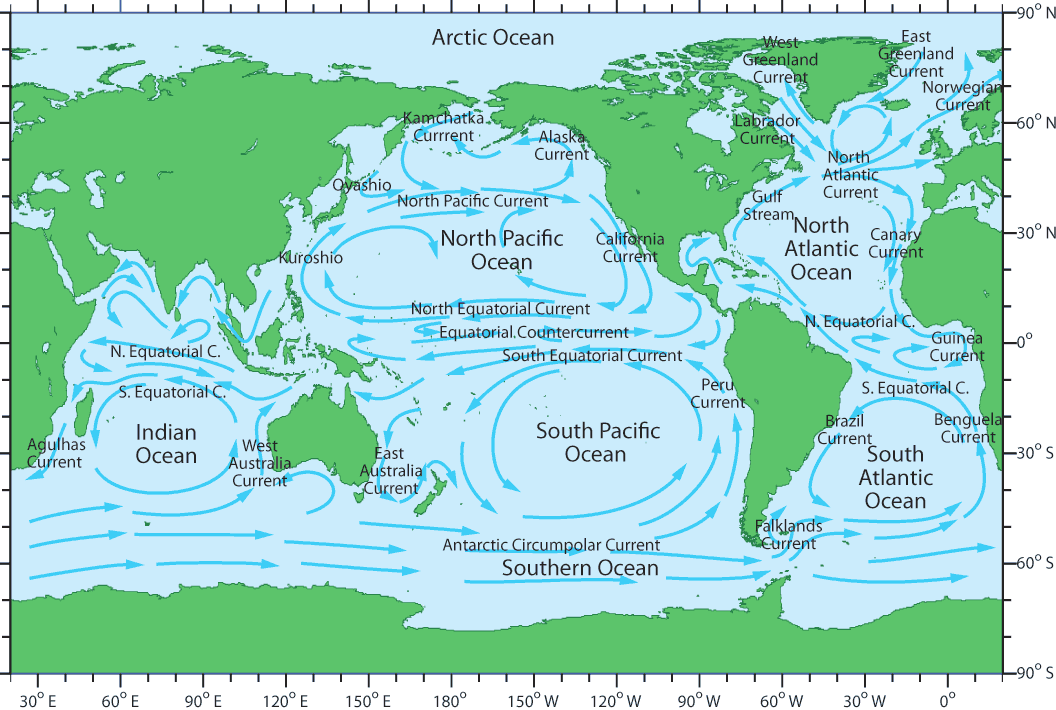
Other people came to the Americas from Asian, Mongolian and Middle Eastern countries propelled by ocean and wind currents as well as crossing land bridges.